



In principle, School Streets, an international scheme adopted by Stoke-on-Trent City Council in February 2025 to tackle traffic congestion and improve air quality at the school gates, sounds like a good idea. A timed restriction on cars around a school at drop-off and pick-up times from 8.15-9.15am and 3-5pm means most vehicles are not permitted to enter these zones, although there are exemptions, notably for residents, and emergency vehicles. CCTV can enforce the restriction and motorists entering without an exemption can receive a penalty charge.
However, in Stoke, rolling out this scheme hasn’t always gone to plan, with difficulties identified in Newstead, Meir North and Weston Coyney regarding the lack of communication from the council to residents, businesses and charities not being factored into decision-making, unclear signage, and traffic displacement.
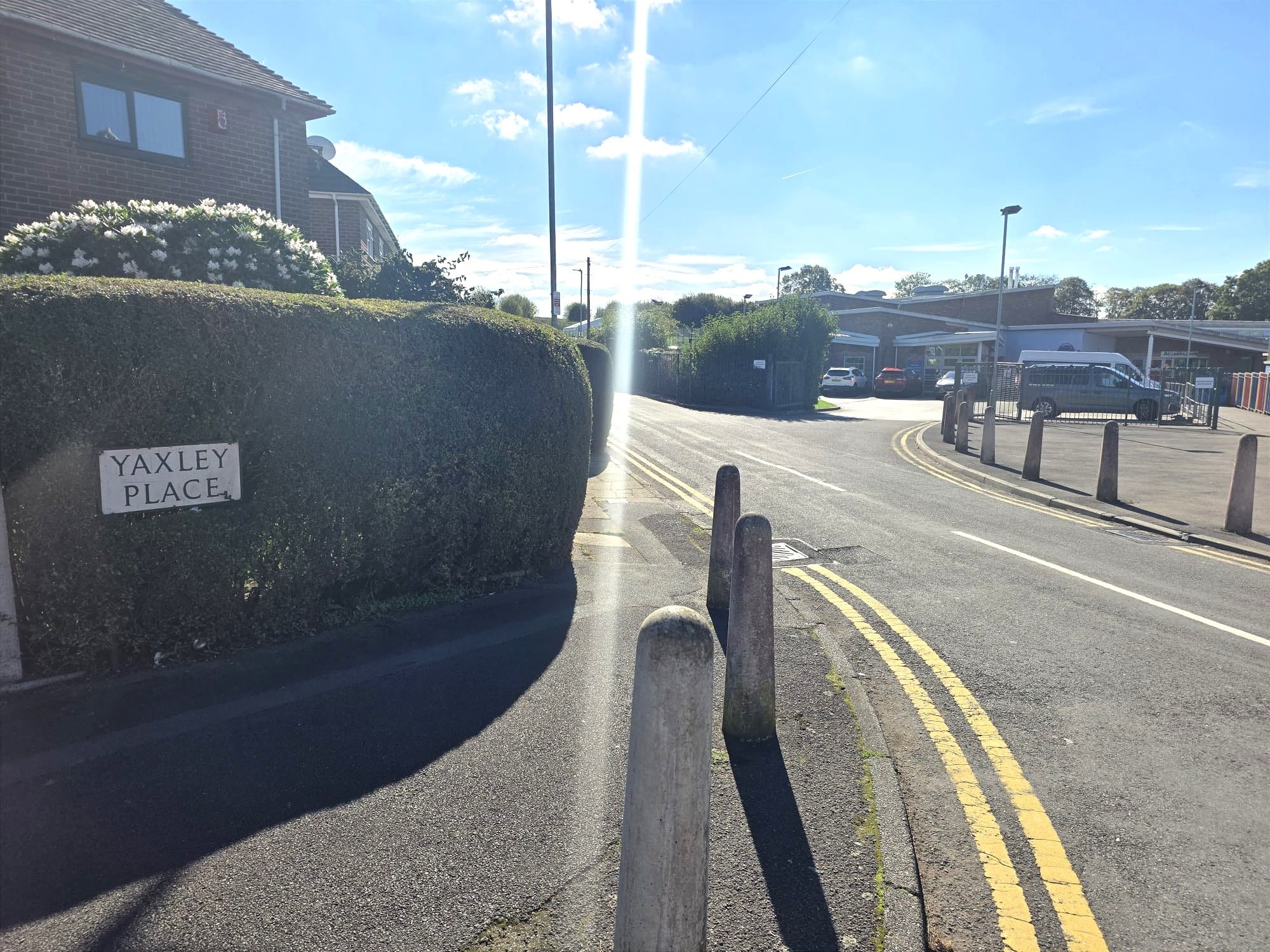
Residents of Yaxley Place near Newstead Primary Academy didn’t receive the pre-implementation letters that other streets on the estate did. The MP for Stoke-on-Trent South, Dr Allison Gardner, says she had also raised concerns about the location of the camera, specifically because of its effect on Yaxley Place residents.
After Gardner met key members of the School Streets team this summer, she was assured that communication between the council and residents affected would improve. But Yaxley Place residents got in touch with Gardner at the end of last month saying they had not been told that the scheme was being made permanent, even though other estate residents had been informed. That has led several Yaxley Place residents to submit Freedom of Information requests because they are unhappy about how the issue has been handled.
In Meir, the Sandon Primary School Streets scheme has raised concerns about traffic displacement, with residents reporting drivers braking or turning around to avoid cameras, and inconsiderate parking displaced to nearby streets, with School Street restrictions now extended following resident complaints.
Over in Meir North, meanwhile, cllr Lauren Davidson and her constituents requested a School Street at Crescent Academy. She was told by the Council it was “actively being considered”. When she chased it a few months later, she was informed that no assessment had actually taken place.
In her letter to the council, Gardner called this “troubling,” adding that “it is understandable that not all suggested schemes will be viable, but that should be communicated properly.”
Councillor Finlay Gordon-McCusker, cabinet member for regeneration, said at a full council meeting in July that a review of the School Streets schemes across the city would examine this issue. There are currently 14 School Street schemes covering 15 schools/settings, with 35 roads or road sections affected. There’s more info here.
No consultation process
Allison Gardner told The Knot that Weston Coyney has also been affected by the School Streets scheme. “Businesses and community groups said they had not been consulted despite customers needing access to restricted areas. After a lengthy process, the Council amended the scheme to exempt the businesses concerned, but these issues should have been identified beforehand,” she explained.
Dr Gardner says she can only assume some of this is down to human error or gaps in the process. “But whatever the reason, it is not acceptable when people are being affected by restrictions on their own streets, particularly when these concerns have already been raised.”
She has also questioned why consultation takes place primarily after schemes are introduced. “Local residents and businesses should have the opportunity to flag practical problems before a scheme is implemented – they know their neighbourhoods best, and should be listened to.”