



While we’ll always be known primarily for our pots, Stoke-on-Trent is also home to a burgeoning theatre scene, with organisations from the New Vic to B-Arts putting themselves at the heart of the community. Over the past 30 years I’ve lived in Stoke, I’ve become both involved and a spectator of the theatre scene and have had the pleasure of reviewing many shows in the area. I grew up in a rural village, so moving to Stoke, where theatres are within a 20 minutes’ drive, has been a luxury, and I rarely leave the area to see other shows. But why is an area bursting with creative talent not up there with cities such as Edinburgh, Bath, and Brighton – and closer to home, Buxton and Wolverhampton – not hosting its own fringe festival?
Over the course of the past three months, I’ve taken time with artistic directors of some lead projects in the area and looked at the ever-growing theatre scene in the area and investigated how we can grow it further.
WEST END PRODUCTIONS
ATG’s The Regent and Victoria Hall are popular venues in the area; last year saw West End tours including 2:22 A Ghost Story, Bat out of Hell and Boys from the Blackstuff grace the stage. Then there is the annual panto, most recently Cinderella, which starred Stokie regular Jonny Wilkes and Kai Owen. But times haven’t always been easy over the past five years, so how is the theatre faring post-Covid? Theatre director Cheryl Taylor was optimistic in her reply. “It was tough, but we are in a good place now,” she reflects, admitting that the industry lost a lot of cast and crew to other industries. She dedicates much of the theatre’s success to its “genuinely supportive audiences” and its professional productions. The Regent’s annual dance festival is a big part of the theatre’s calendar, taking months for the team to organise. “It’s our opportunity to give local people to take to the stage,” she says. The dance show hosts a variety of dance schools, schools, colleges, and community groups, who come together to celebrate dance over a two-week period.
“Our annual dance festival is an opportunity for local people to take to the stage”
Cheryl Taylor, theatre director, The Regent

CONNECTING WITH THE COMMUNITY
Community involvement is a huge aspect of theatre’s responsibilities, and there is more to theatres than just putting on performances. Like the Regent, the New Vic theatre puts community at the heart of what it does. Last year, as Stoke celebrated 100 years of being a city, the Borderlines department was out in the community delivering sessions around the late artist and poet Arthur Berry, connecting with schools, festivals, and the Holiday Activities and Food Programme (HAF) project. The education department, meanwhile, spent summer touring local libraries with a performance of Dr Dolittle. Speaking to artistic director Theresa Heskin, it’s clear she is not just passionate about what goes on just on the stage but also “seeing a community out together, being happy in times where there are pressures and fractures in communities. To be out on the streets of Stoke and be with everybody thinking what a brilliant place we live in. That’s a rare gift, isn’t it? To deliver.”
The highlight of New Vic’s year is the Christmas show, which has become a staple of Stoke history. Many locals have fond memories of attending with school or family and, in some cases, being part of the children’s cast. This year it’s The Little Mermaid (until 24 Jan), where guests can expect to be wowed by magic and some jaw-dropping acrobatic skills. The Christmas events nearly always feature in The Guardian’s top 10 Christmas shows, so how do they compete with themselves to get better each year? “It does feel like more of a pressure every year… I feel a tremendous sense of responsibility because the children who are coming in, particularly the ones for whom it’s their first-ever visit, we want them to think about theatre as something they’re going to do for the rest of their life.” As the theatre gears up to commemorate its 40th anniversary in 2025, expect a packed year of events, including a revival of Good Golly Miss Molly, famously set in Stoke, by original director Bob Eaton from 04/04-02/05.
COMMUNITY OUTREACH
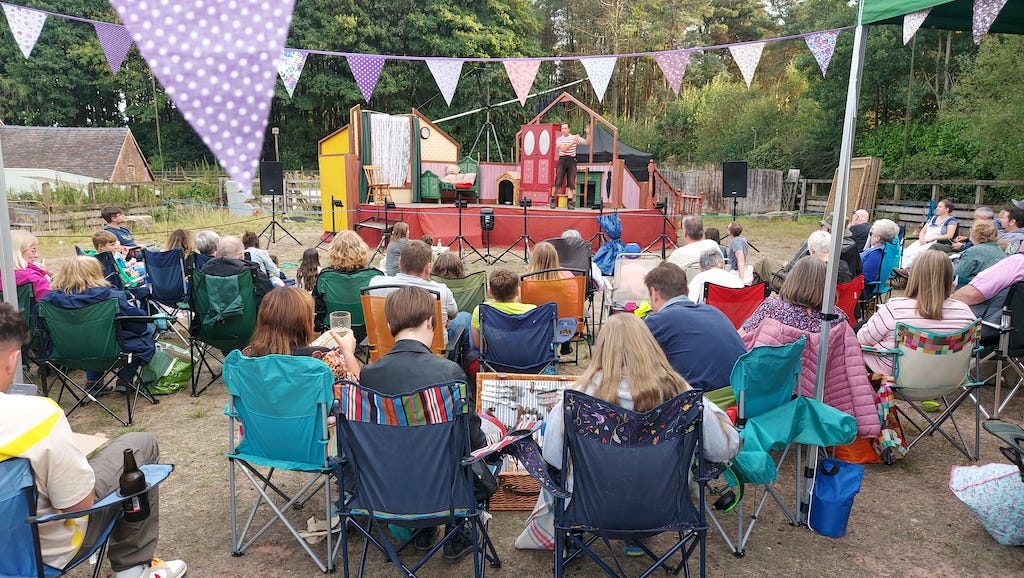
Over in Weston Coyney, Bolton Gate Arts is a company at the start of its adventures after setting up in 2020 and is already beginning to make an impact on the area thanks to its diverse range of theatre productions and arts projects. Led by Emma Sanders and Joe Matty, they share the values of community outreach and bringing magic to the young. Despite choosing one of the most vulnerable times to launch a theatre project, the partnership between the two friends is inspiring to see. The picturesque farm has canopied areas for outdoor performance and a cafe, which is open 8.30am-4pm daily. The most notable production was 20234’s community theatre project Imprints: Tales from the Wild, which explored the myths and legends of Staffordshire Moorlands. Last year, it hosted various children’s performances and focused on making it accessible for all. “I love the more creative and community-focused direction we’ve gone in. It’s just so much more rewarding,” says Sanders. This includes a Craft & Chatter session (20/02), Easter Market (04/04) and fused glass workshops this May and August.
Stoke-on-Trent doesn’t seem like the most likely place to set up a theatre company, but Deborah McAndrew and Conrad Nelson did just that with Claybody Theatre, telling stories that touch locals’ hearts, from Ugly Duck to The D-Road and, more recently, an adaptation of Arnold Bennett’s novel, The Grand Babylon Hotel. What they brought to the area is a theatre that offers professional actors with names that sell but who work very closely with the community, holding regular conversations over tea and cake. The day I visited at the Dipping House at Spode, the two stated that they never set out to create a theatre company in Stoke. “It happened organically and just got bigger. The driving force was the locals who loved the stories and wanted more,” says artistic director Conrad Nelson.
“The thing that drives it on is that an audience comes and feels like they’re completely engaged with the product. You can’t buy that amount of publicity; it doesn’t exist,” adds Nelson. “Around 90% of the work that we produce is new drama. Everywhere else people go, you’re not going to sell new drama; there’s no audience for it. These new dramas sell out.”
“The driving force behind the Claybody was the locals, who loved the stories and wanted more”
Conrad Nelson, artistic director, Claybody Theatre

NOT JUST A THEATRE
We also touched base with Kath Stanway of B’Arts, an arts organisation responsible for bringing Stoke lantern parades to the streets and productions inspired by local legend, like last year’s Who is Molly Leigh? B’Arts combines professional artists with community and produces opportunities for many, from graduates to those seeking volunteer work. On the subject of how the company is an integral part of the theatre infrastructure, she says, “I think creating and fostering communities and the opportunities for different people to be together in one space is always really needed.”
From workshops aimed at men’s mental health, like the weekly creative making space Men Who Make Things to monthly climate cafes and weekly community meals, there’s much more to B’Arts than theatre productions.
Other arts organisations that have celebrated Stoke include the GreenHouse Theatre Project, which examines the rich multicultural heritage that the city fosters. One of its more recent offerings was Anya & the Potter, which was performed at Stoke Station. Leek-based community choir The Phoenix Singers, meanwhile, recently reprised Victoria Brazier’s and Ashley Thompson’s play, The Queens Shoulders, based on a local woman who modelled for Staffordshire artist Arnold Machin as the clay cameo for his iconic postage stamp image. The one-woman play, starring local actress Ava Ralph, received critical acclaim, and a reprise would be well received.
With such a vast and diverse theatre scene in the area – and I have not mentioned the many youth theatres, or organisations such as Appetite and Restoke – my question is, why are we keeping this to ourselves?
In addition to many creatives, we have many eager audience members, and getting tickets for productions such as Claybody can be a scramble these days. We have the potential to take this further and press arts councils for fringe festival funding. Let’s bring more tourism into the area and create more job opportunities.
To find out what’s coming up in Stoke’s theatres, check out our what’s on guide.

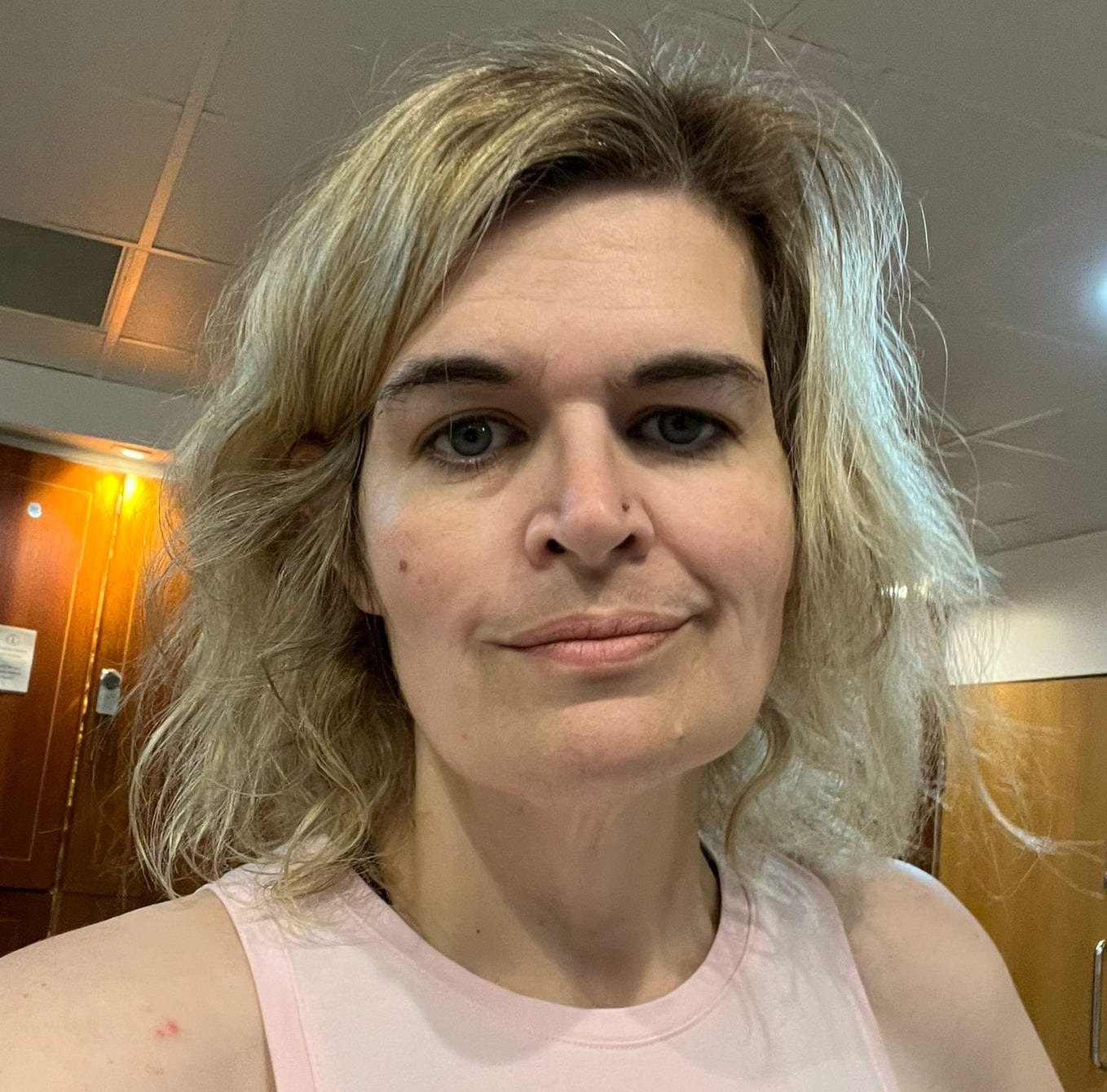
About the author, Mel Osborne
Freelance writer Mel Osborne came to Staffordshire University in 1995 from a rural village outside Birmingham. After graduating from Film, TV and Radio studies in 1998, she decided to stay in Stoke and still lives here today with her husband and teenage children. Mel writes for various local publications and has been a theatre reviewer for the past 10 years. She is also a professional actor and theatre maker with a passion for art education. In her spare time, she enjoys long mystery walks with her pet dog.
.
Have something to say about Mel’s story, or your views on the future of theatre in Stoke-on-Trent? Leave your comments below!
This is a great idea. Local organisations produce different styles of art and theatre and many as you say involve local people. You referred to Restoke and Appetite - they have amazing portfolios of work. Urban Wilderness, Festival Stoke, 6 towns Festival organisers and many other groups create spectacle, experience and memories. Then we have live music of all kinds, film makers, artists, writers and poets.
Always enjoy. Re: "The Queen's Shoulders". It was great but the play perhaps deserves a "reprise" rather than a "reprisal", which you wrote inadvertently. A reprisal would be very unkind to Ava....